1 · Introduction to Oracle Database@Azure
These are original revision notes for the introductory course video. They summarize the ideas in our own words rather than reproducing the video.
Core message
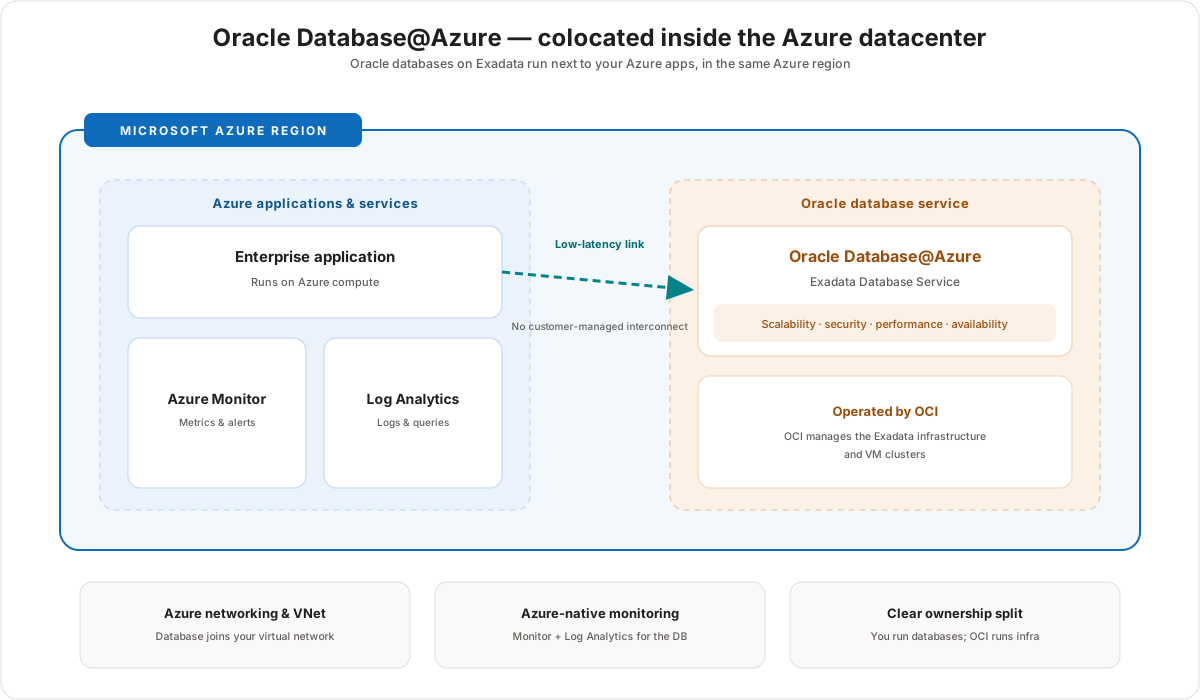
Oracle Database@Azure is the next step in the Oracle and Microsoft multicloud partnership. It lets customers run Oracle Cloud database services inside Microsoft Azure datacenters, using Azure networking and Azure-native monitoring while Oracle operates the underlying Oracle Cloud database infrastructure.
Key concepts
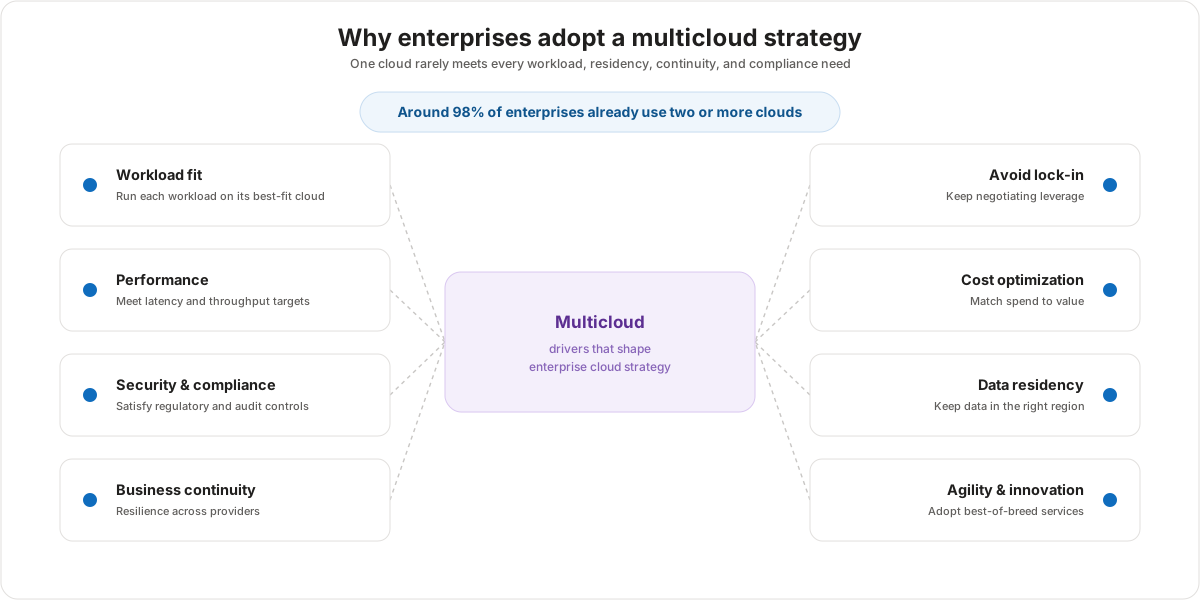
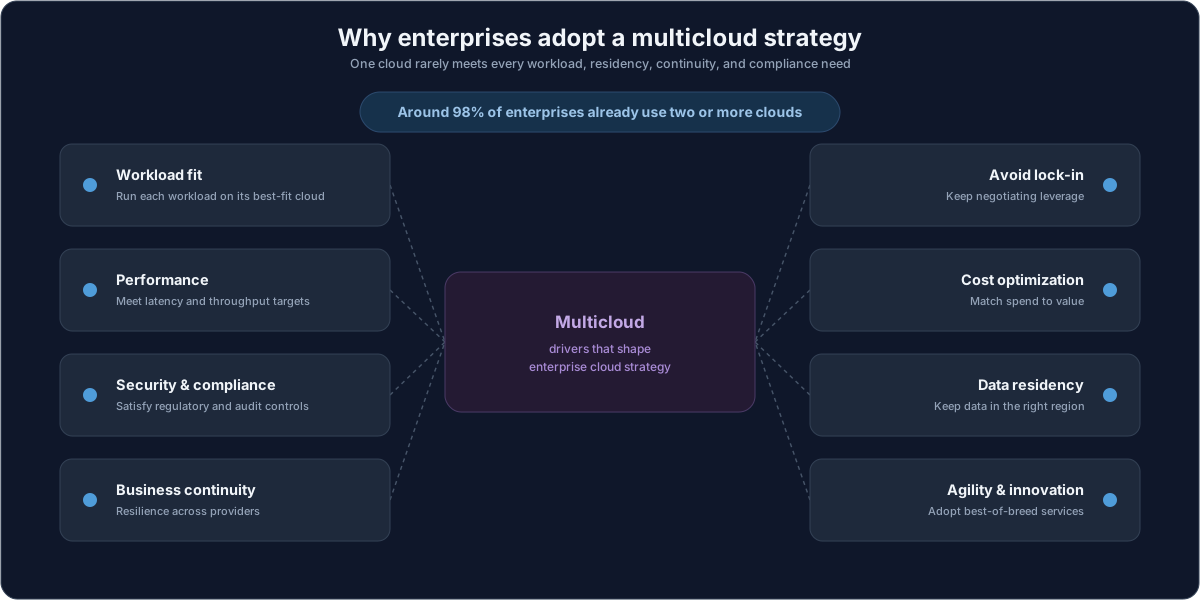
- Multicloud is common because enterprises often need more than one cloud to meet workload, performance, security, compliance, data residency, business continuity, and innovation requirements.
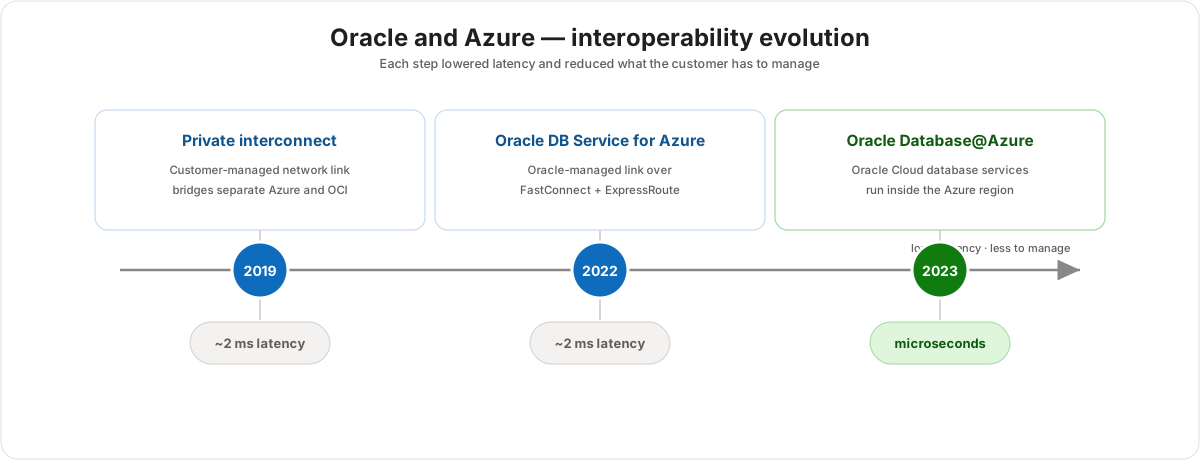
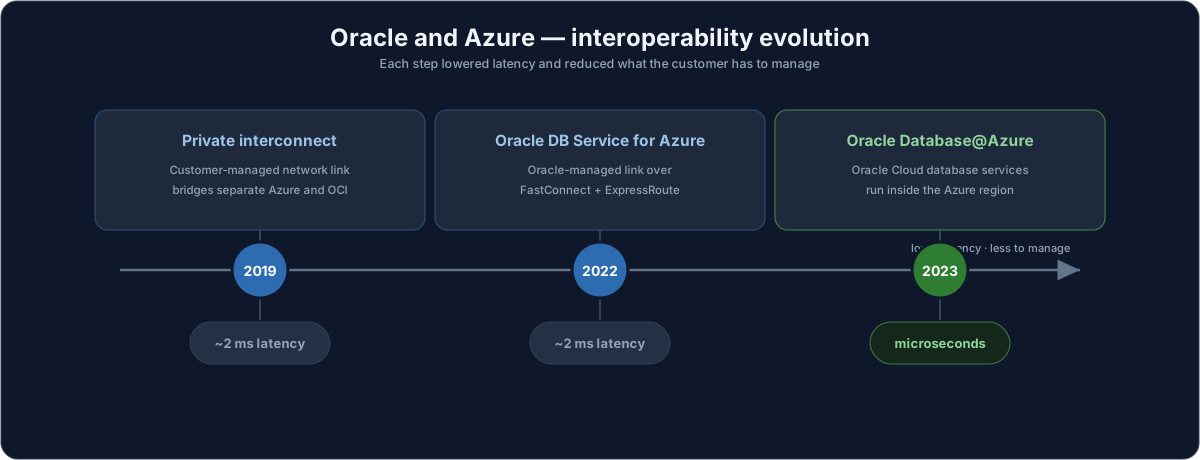
- Oracle and Microsoft first enabled a private, low-latency interconnect between Azure and OCI, then simplified that model with Oracle Database Service for Azure.
- Oracle Database@Azure goes further by placing Oracle Cloud database services in Azure datacenters, which removes most of the customer-managed cross-cloud network design.
- The goal is to keep Oracle database performance, availability, scalability, and security while improving integration with Azure applications and operations.
Architecture points
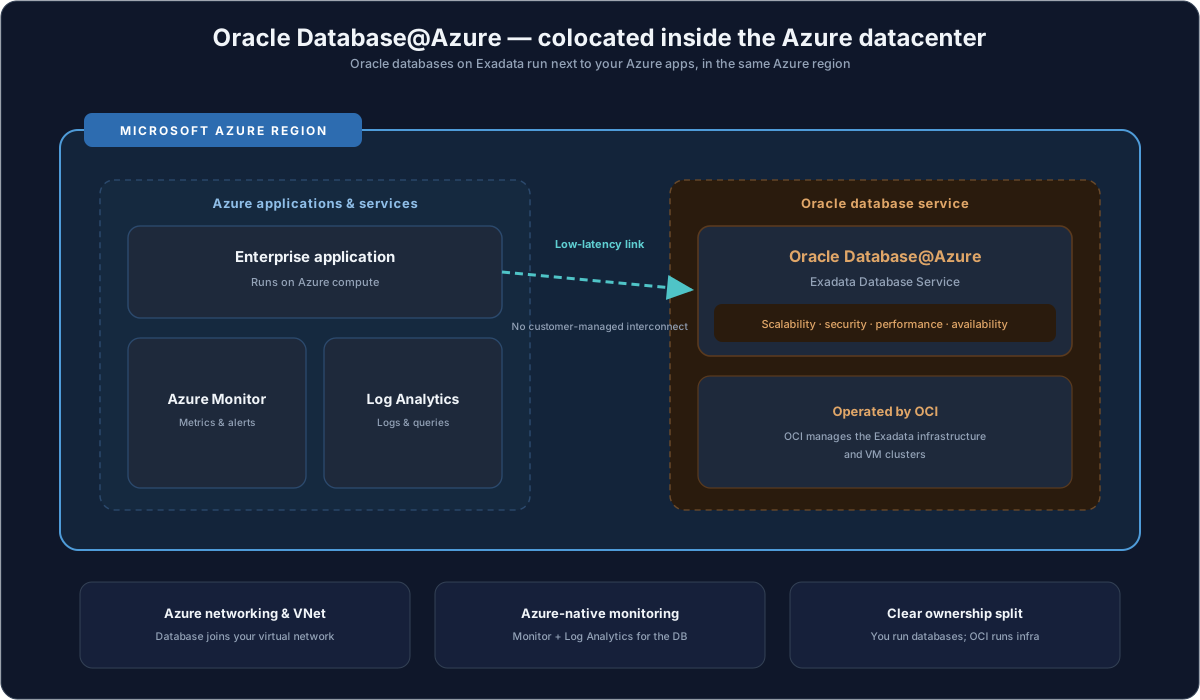
- The service runs in Microsoft Azure datacenters and uses Azure networking.
- OCI operations teams manage the Oracle database service infrastructure and VM clusters.
- Customers use Azure services such as Azure Monitor and Log Analytics to monitor metrics, events, and logs.
- Colocating the database service with Azure resources avoids the customer-managed private interconnect pattern.
- Network latency between Azure application endpoints and the database service is very low because both sit within the Azure datacenter environment.
Customer value
- Reduces cross-cloud networking complexity for customers that use both OCI and Azure.
- Preserves Oracle database compatibility while bringing the database close to Azure applications and services.
- Lets customers use Azure-native monitoring and log analytics for Oracle database environments.
- Supports mission-critical workloads that need performance, scalability, availability, and defense-in-depth controls.
- Gives enterprises another option when a single-cloud strategy does not meet workload or business requirements.
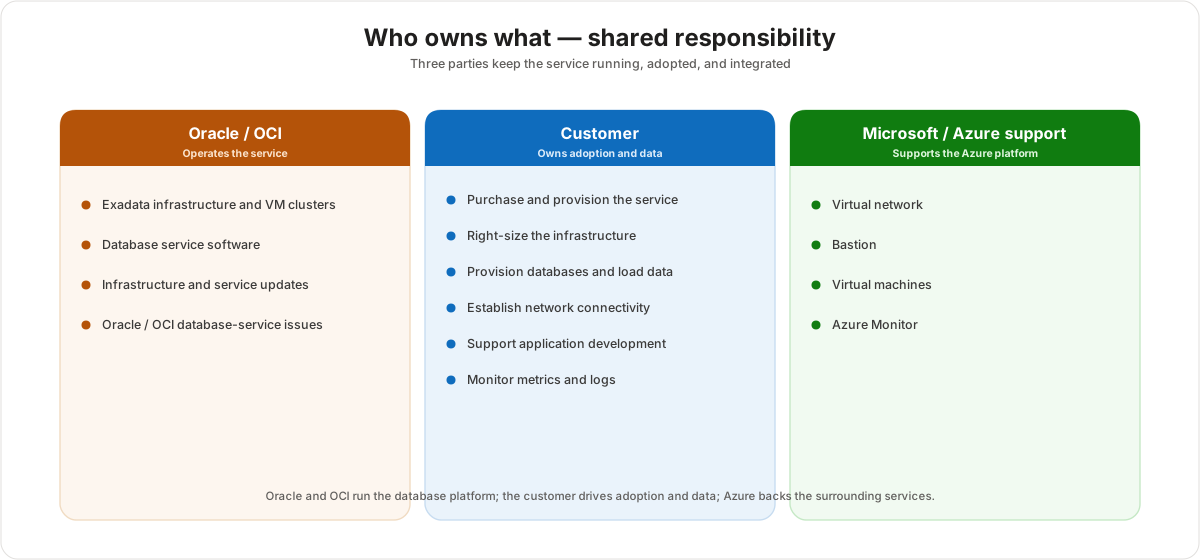
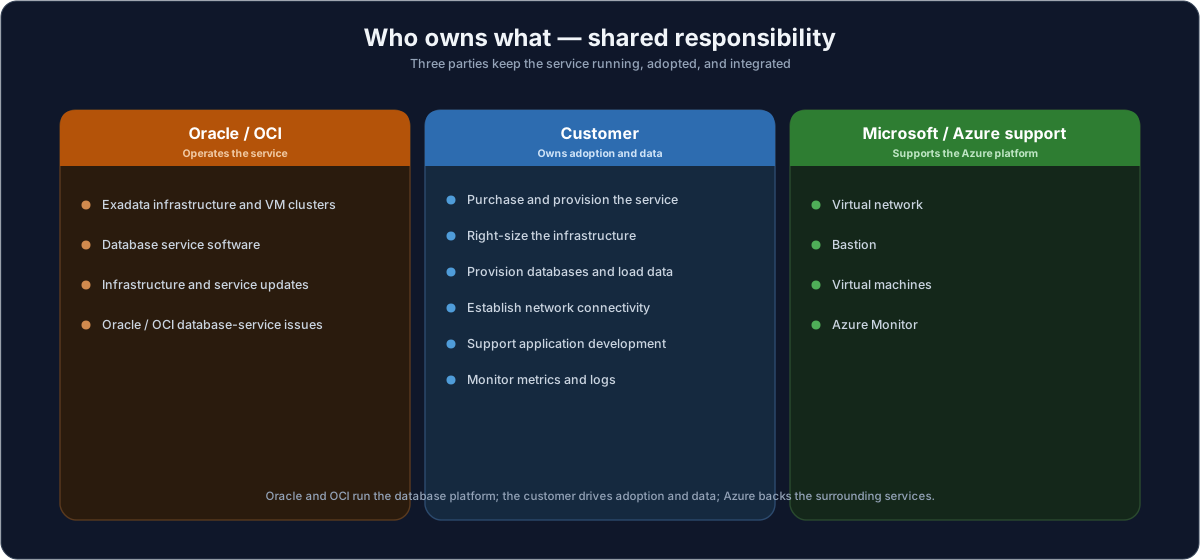
Responsibility split
| Owner | Responsibilities |
|---|---|
| Oracle / OCI | Manage Exadata infrastructure, VM clusters, service software, infrastructure updates, and Oracle or OCI database-service issues. |
| Customer | Purchase and provision the service, right-size infrastructure, provision databases, load data, establish connectivity, support development, and monitor metrics and logs. |
| Microsoft / Azure support | Address Azure-side issues such as virtual network, bastion, virtual machines, and Azure Monitor. |
Risks and constraints to remember
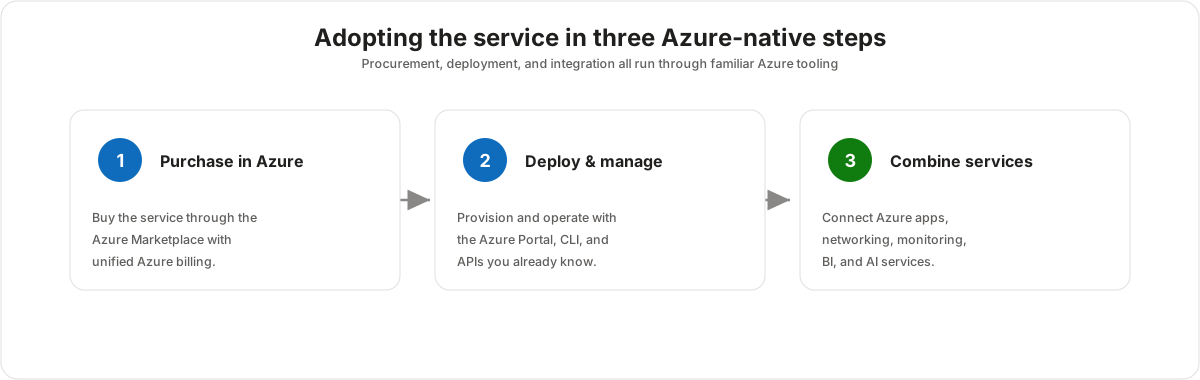
- This is not a simple lab resource; it requires subscription, billing, and Oracle service onboarding.
- Validate service availability, commercial access, region fit, network requirements, and operational ownership before recommending it.
- Support boundaries matter: Oracle-side database issues and Azure-side platform or networking issues follow different support paths.
- The introductory material frames Exadata Database Service on dedicated infrastructure as a supported path, with more Oracle database services expected over time.
Terms to remember
- Multicloud
- OCI
- Azure and OCI private interconnect
- Oracle Database Service for Azure
- Oracle Database@Azure
- Exadata Database Service on dedicated infrastructure
- Azure Monitor
- Azure Log Analytics
- VM cluster
🏢 Customer-ready explanation
Oracle Database@Azure is useful when a customer wants to keep Oracle database technology and performance, but wants the database closer to Azure applications, networking, monitoring, and commercial operations without designing a complex cross-cloud interconnect themselves.
Check your understanding
Why do enterprises adopt multicloud strategies?